Microservices vs Monolith: Architecting a Sports Betting Backend
Why the safest starting point is a modular monolith, which parts deserve their own service first, and the wallet, bet placement and settlement code that makes either choice work.

Search for a command to run...
Articles tagged with #architecture
Why the safest starting point is a modular monolith, which parts deserve their own service first, and the wallet, bet placement and settlement code that makes either choice work.

How to serve many customers from one upstream sports feed without leaking data, blowing quotas, or letting one noisy tenant ruin everyone's day

How to turn messy, inconsistent bookmaker feeds into one clean, comparable, auditable dataset: canonical models, odds-format conversion, entity resolution, market mapping, de-vigging, validation, and storage in Python and PostgreSQL.

A practical architecture for serving live scores and odds to thousands of users from a rate-limited upstream API, with stale-while-revalidate caching, request coalescing, priority token buckets, circuit breakers, and provider failover in working Node.js code.

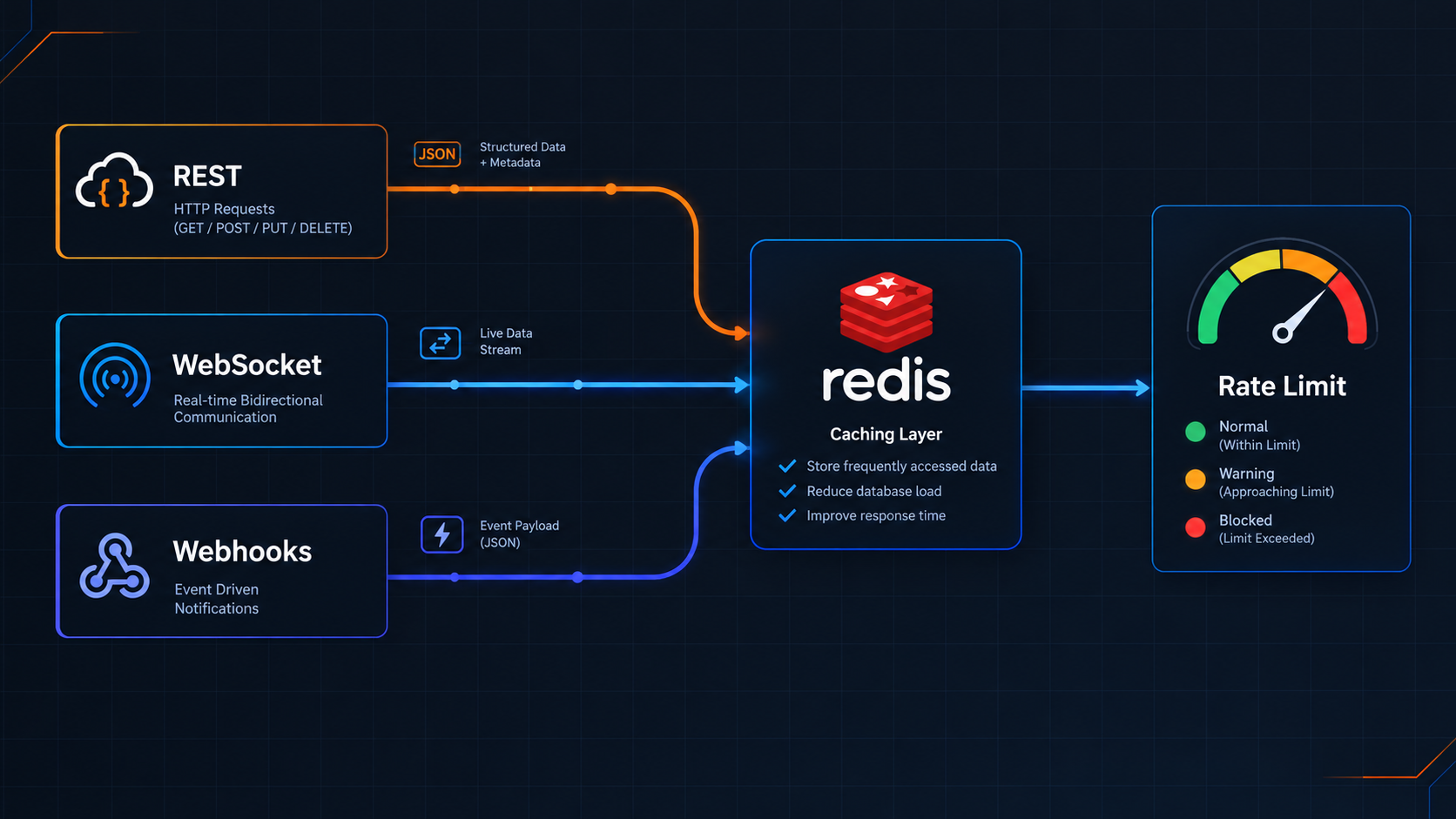
A practical architecture for ingesting, normalizing, and fanning out live sports odds, with a latency budget, working Node.js code, and honest trade-offs between the three push models.

Picking how you receive sports data matters as much as picking which provider you use. Get the delivery method wrong and you'll either hammer an API into rate-limit hell or build a UI that feels a bea